Mugwort in Korean Skincare: What Is Ssuk and Does It Work?
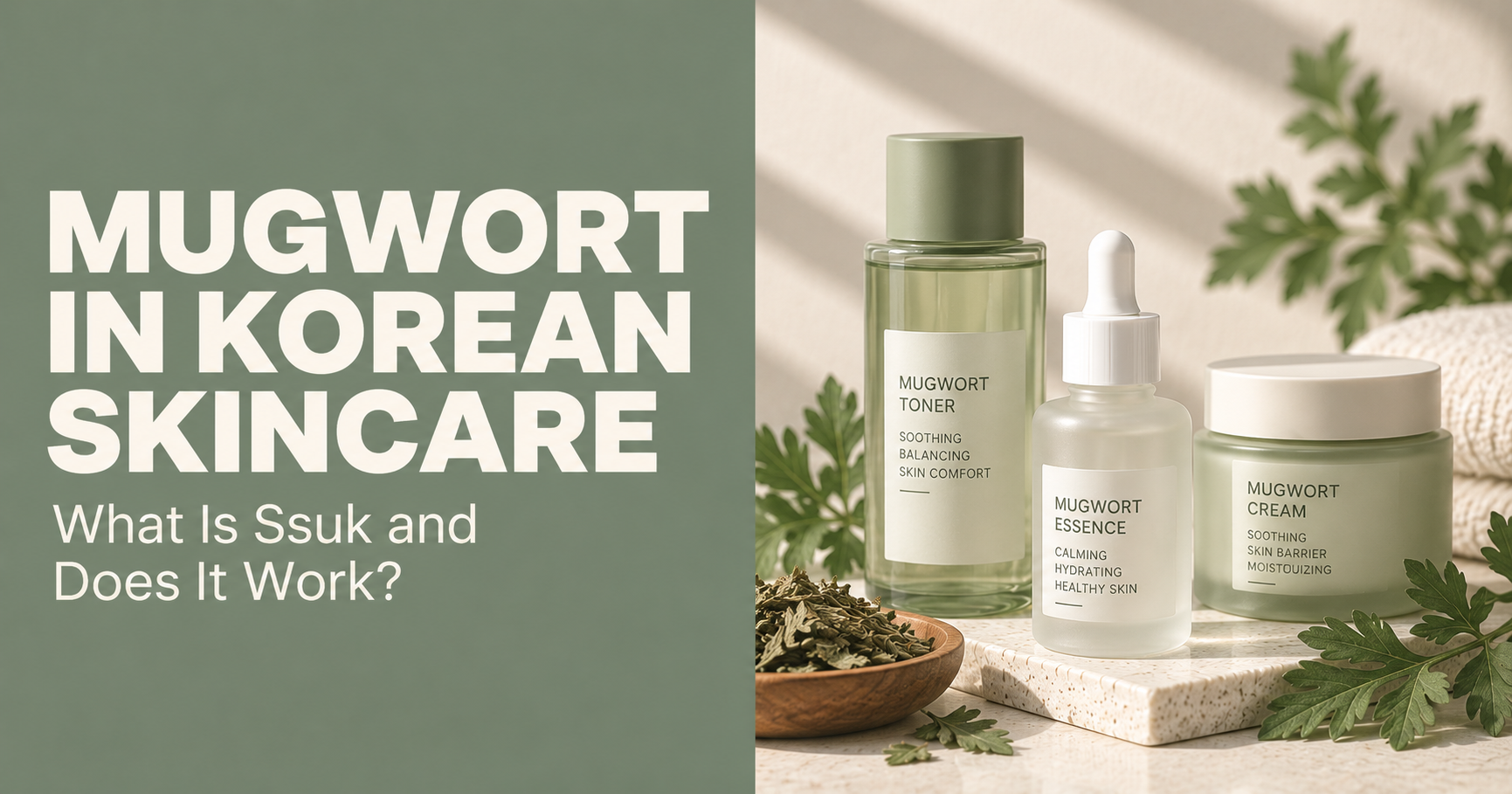
Mugwort in Korean skincare editorial graphic with mugwort toner, essence and cream explaining Korean ssuk skincare

Mugwort in Korean skincare is usually associated with one word: soothing. Mugwort essence. Mugwort toner. Mugwort mask. Mugwort cream. If you shop for K-beauty long enough, you will eventually encounter the ingredient, often in products built around the idea of calming or comforting sensitive-looking skin. In Korean, mugwort is commonly called: 쑥 — ssuk. That … Read more
Korean Exfoliation Skincare: AHA, BHA, PHA & Peeling Gels

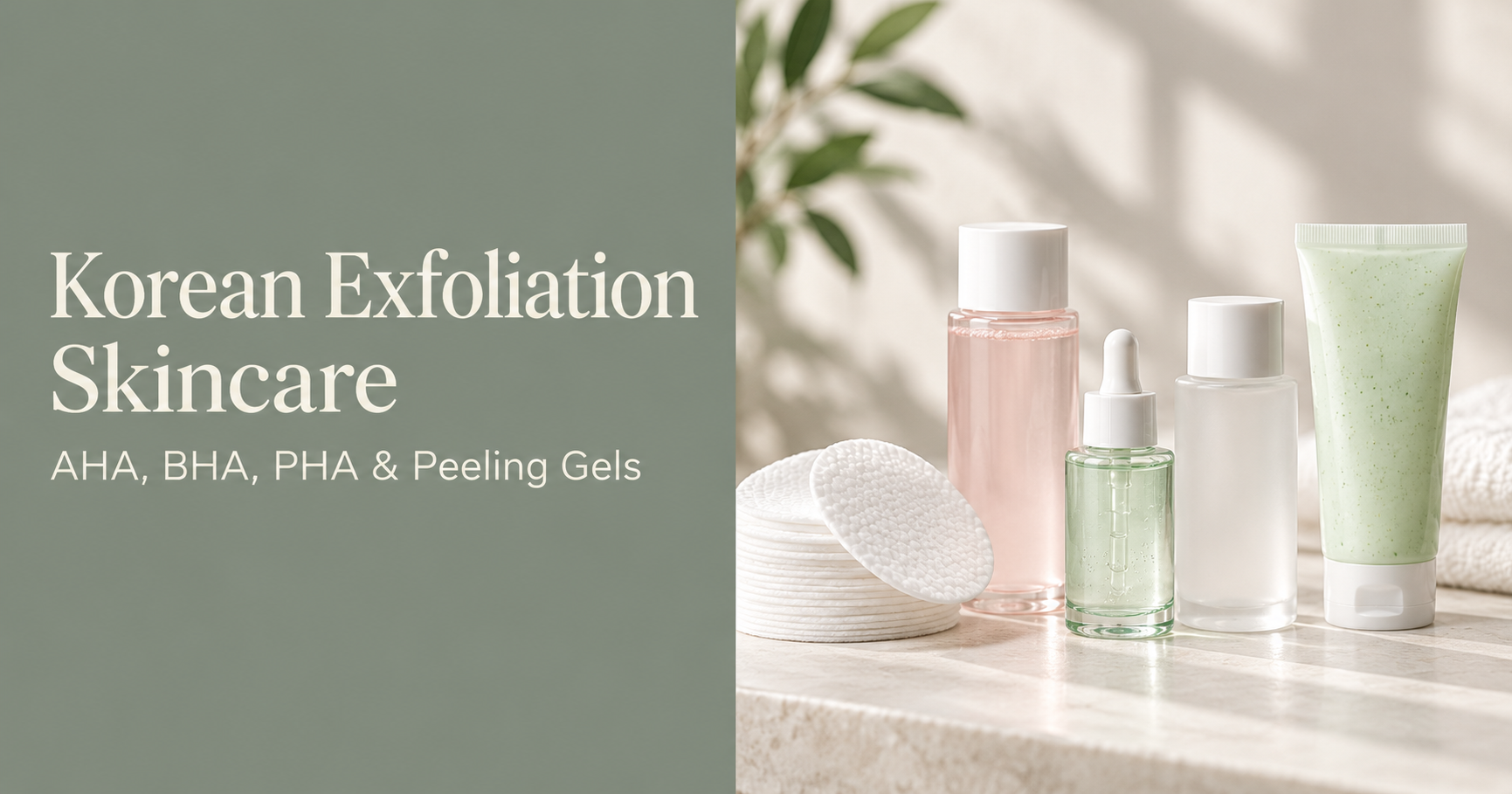
Korean exfoliation skincare with AHA, BHA, PHA, peeling gel and toner pads in a minimalist editorial layout.

Korean exfoliation skincare is much broader than one bottle of glycolic acid. Walk through a Korean beauty store and exfoliation may appear as: AHA toner. BHA serum. PHA pads. Peeling gel. Scrub. “Pore care” cleanser. Textured toner pads designed to be wiped across the skin. That is what makes Korean exfoliation confusing. Several products can … Read more

What Is Cica in Korean Skincare? Why It’s Everywhere in Korea

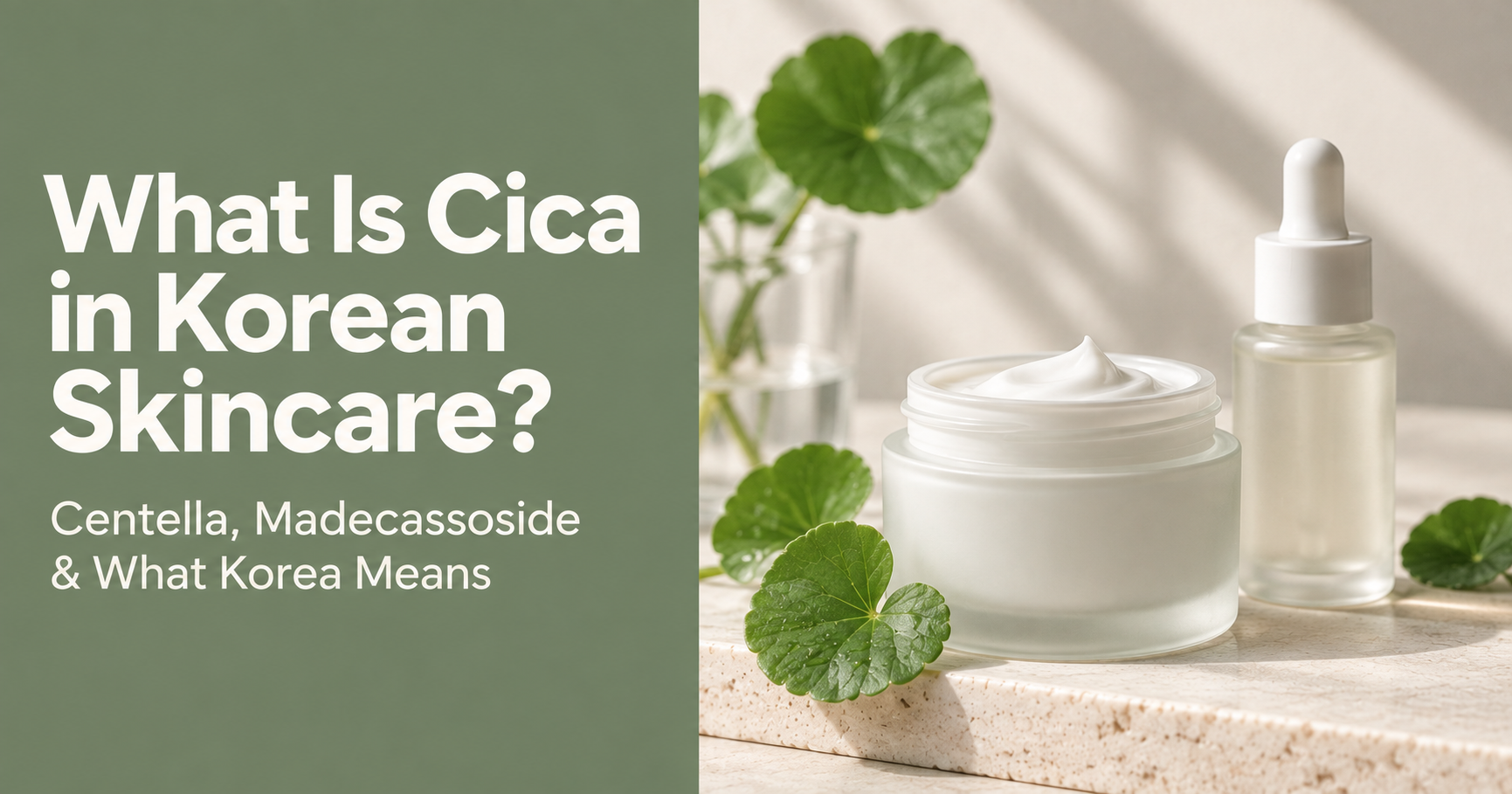
What is cica in Korean skincare? A guide to Centella, madecassoside, and Korean cica products.

Walk through a Korean beauty store and one word appears again and again: Cica. Cica cream.Cica toner.Cica pads.Cica masks.Cica cleansers. Then things get confusing. Some products say Centella instead. Others highlight madecassoside, asiaticoside or a proprietary “Cica Complex.” So, what is cica in Korean skincare? Is it an ingredient? Is it another name for Centella … Read more

Korean Retinol: What Korea Actually Recognizes for Wrinkle Claims

Editorial graphic reading "Korean Retinol — What Korea Actually Recognizes" beside two unbranded white cosmetic jars.

Data note: Korean regulatory and product sources were checked on September 6, 2026. The Hwahae ranking page was updated September 3, 2026 and checked September 6, 2026. This article contains no affiliate links. Search for Korean retinol and you will usually get an explanation about formulation style. Korean retinol is gentler. Korean brands buffer retinoids … Read more

Glutathione in Korean Skincare: Does It Actually Fade Dark Spots?

Editorial graphic reading "What the Label Actually Says" beside an unbranded skincare bottle and an abstract cosmetic ingredient list.

Glutathione is suddenly everywhere in K-beauty. It is part of a much bigger shift toward ingredient-led K-beauty — the same reason ingredients like PDRN have moved from Korean clinic language into everyday skincare marketing. Search for a Korean dark-spot serum and you will find the word glutathione printed across bottles, product names and ingredient callouts … Read more

Exosome Skincare in Korea: What’s Actually in Those Products?

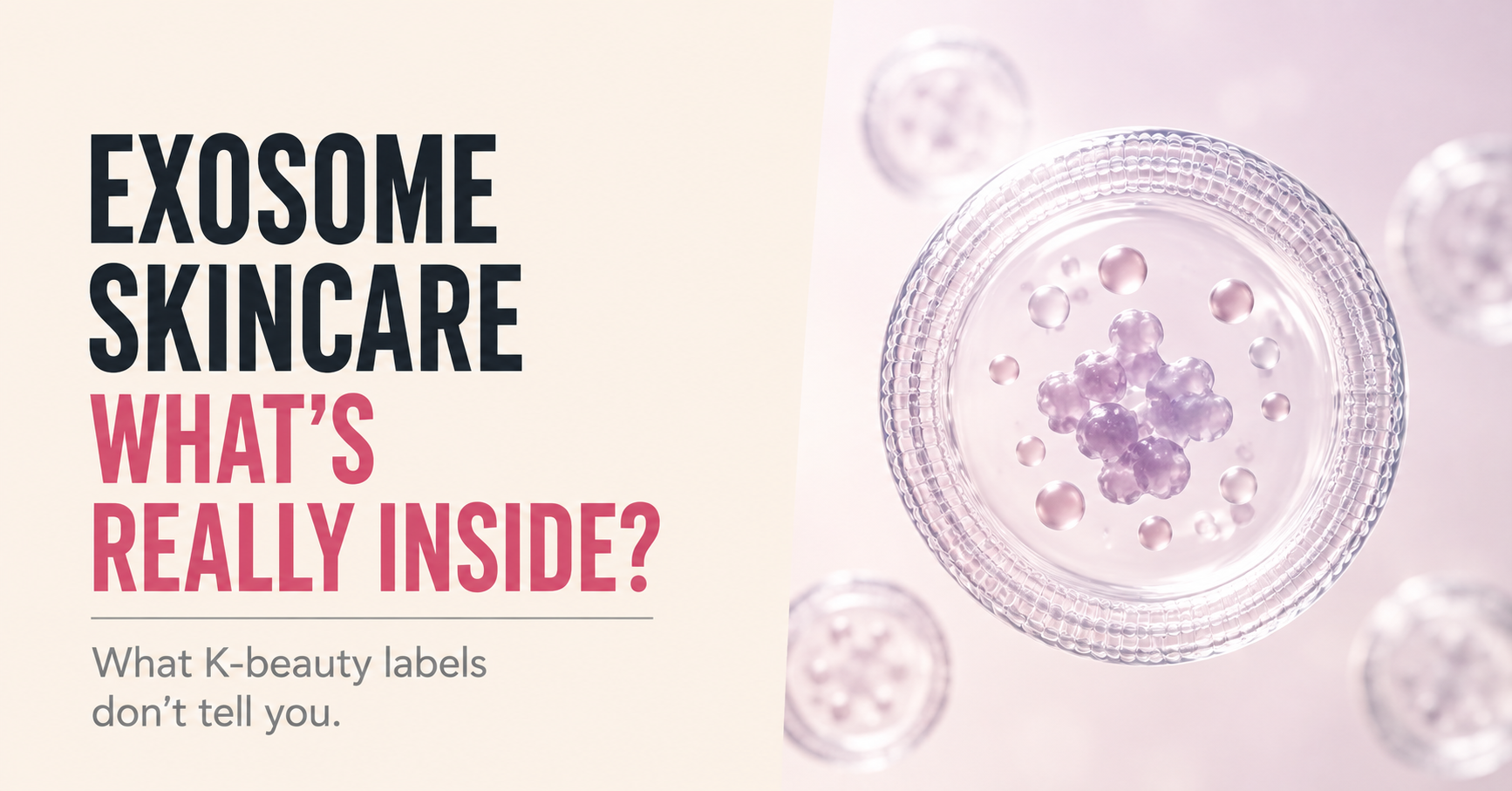
Text graphic reading "Exosome skincare, what's really inside?" beside a translucent exosome-like vesicle illustration on a pale pink scientific background

Here’s something that doesn’t come up often in English-language K-beauty content. In Korea, the Ministry of Food and Drug Safety (MFDS) lists unqualified terms such as “exosome” and “exosome cosmetics” among expressions that should not be used in cosmetic labeling and advertising when they could mislead consumers into thinking a product contains human-derived material. Yet … Read more

PDRN in Korean Skincare: What It Actually Does, and What Koreans Actually Use It For

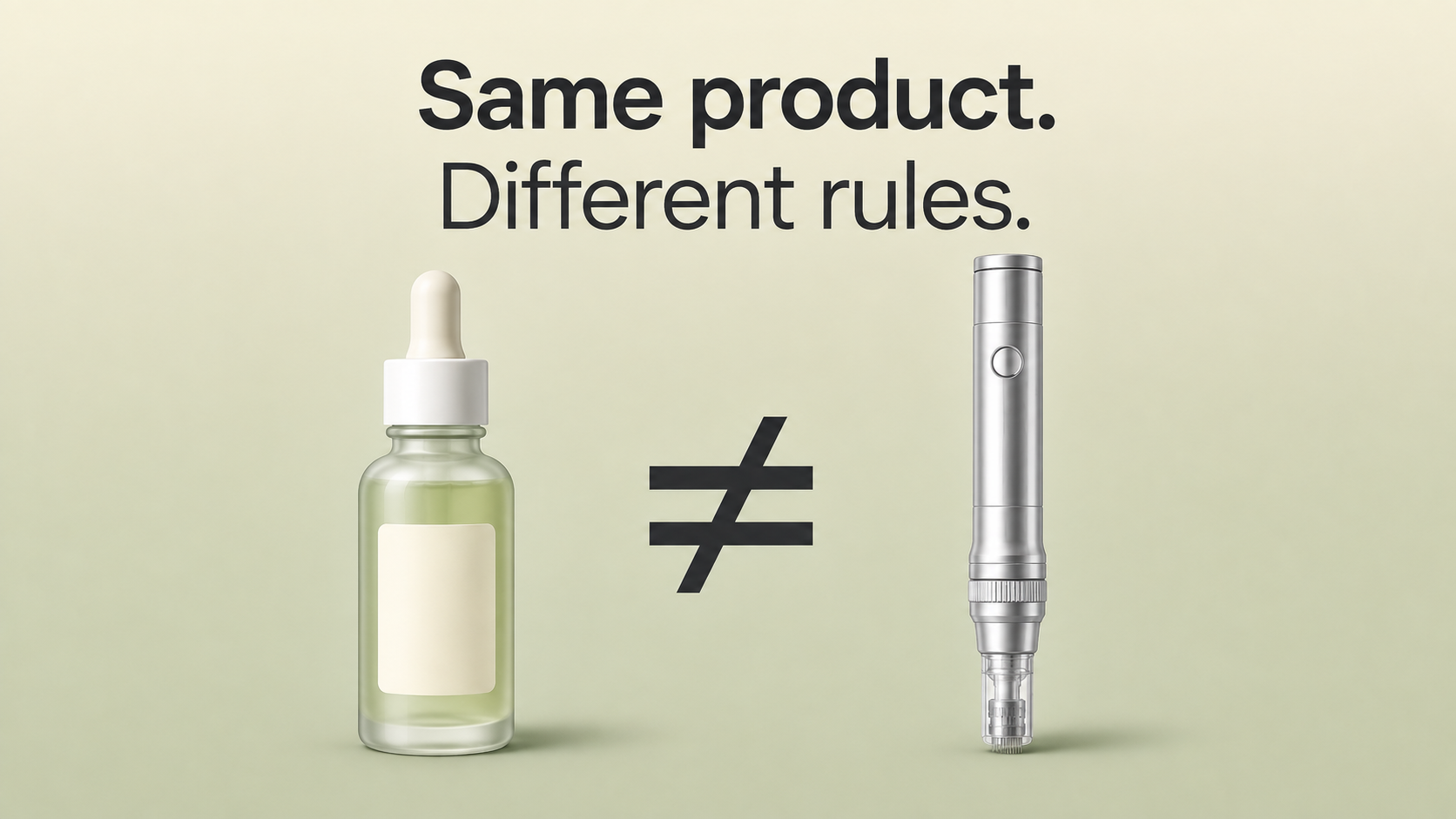
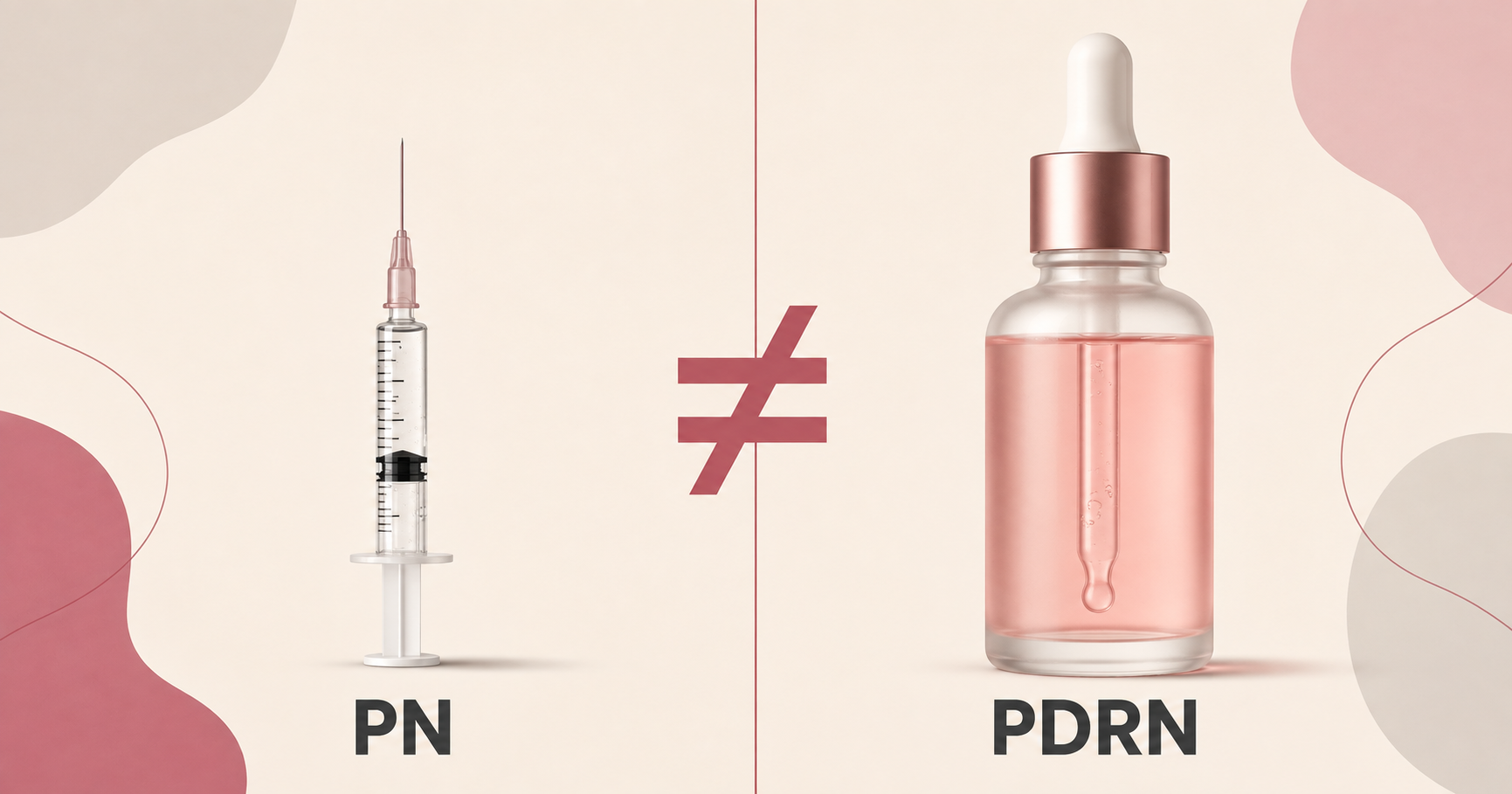
A medical syringe labeled PN beside a skincare dropper bottle labeled PDRN, separated by a not-equal sign

If you’ve spent any time on skincare TikTok lately, you’ve probably seen it: the “salmon DNA” serum. Usually there’s a caption about Korean glass skin. Sometimes there’s footage of someone getting dozens of tiny injections at a clinic in Seoul. And almost always, there’s an implication that the serum in the next clip is basically … Read more